

The Invisible Inheritance: How Your Relationship ShapeS Your Child's Future Love Life
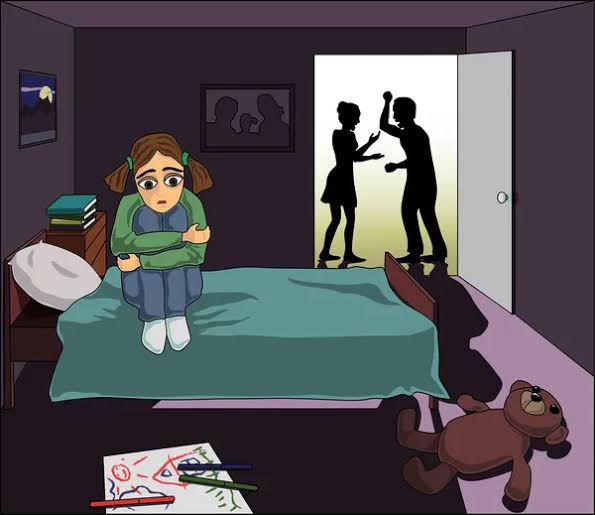
"As long as we don't hit each other or divorce, the kids will be fine."
It’s a phrase many well-meaning parents tell themselves during stressful seasons of marriage. We assume that if we keep the big arguments behind closed doors and maintain a stable household, our children are insulated from our relationship struggles.
But children don't just learn from our explicit rules they absorb the climate of the home.
Long before a child understands adult relationships intellectually, their subconscious mind acts like a sensitive recorder. It takes in how conflict is handled, how affection is shown (or withheld), how stress is managed, and how parents treat themselves. They aren't just watching how you love your partner they are absorbing the subconscious blueprint for how they will allow themselves to be loved in the future.
Why We Marry Our Parents (and How Our Kids Learn It)
Sometimes, our subconscious blueprint doesn't cause us to copy our parents it causes us to swing to the complete opposite extreme.
A client I’ll call "Peter" came to see me because he felt completely helpless when disciplining his children. He was extremely permissive, giving into every demand, and his kids quickly learned they could get whatever they wanted. Peter loved his children deeply, but his inability to set firm boundaries was creating chaos at home. He told me, "Help me stop acting like this I don't know why I can't say no."
During a regression hypnotherapy session, Peter revisited his childhood memory bank to find the root of this pattern. He saw his own father a man who was emotionally cold and indifferent. If Peter or his siblings needed basic school supplies or new clothes, their father made them work long hours to earn them, often causing Peter to turn in late homework. His dad provided basic food, but when he was tired, he stopped working, forcing Peter’s mother to carry the burden.
Unconsciously, young Peter had made a silent, powerful vow: "My children will NEVER feel neglected or struggle the way I did."
As an adult, Peter’s subconscious mind interpreted setting any boundary or saying "no" as being cold like his father. To his subconscious, letting his kids have whatever they wanted was the only way to prove he loved them. Once we rewired that old memory during hypnotherapy, Peter realized that giving his children loving structure wasn't the same as his father's neglect. He was finally able to step into balanced, confident parenting.
The Cycle of Silent Repetition
While some people overcorrect like Peter, others fall into the opposite subconscious trap: repeating the exact pain they swore they would never cause.
Consider a child who grows up watching their mother treated like garbage enduring constant insults, criticism, and emotional cruelty from the father. With tears in their eyes, the children lie awake at night wishing they were grown ups so they could save their mother and run away together to a safe place.
You would think that child would grow up to be the most gentle, respectful partner in the world.
Yet, without conscious intervention, that child often grows up and begins treating their own spouse with the exact same disrespect and harshness. It isn't because they want to cause pain; it's because their nervous system was wired to associate love with volatility, dominance, and insult.
It is often only at the point of divorce when their own marriage is falling apart that they look in the mirror, horrified to realize: "I became the very person I hated."
The Breakthrough: Rewiring the Blueprint
The turning point came when they finally looked in the mirror at the edge of divorce and realized, "I became the very person I swore I'd never be."
Driven by the deep desire not to pass this pain down to their own crying children, they sought hypnotherapy. Through subconscious work, they were able to go back and comfort that scared child who wanted to save their mother. They unlinked "love" from "harshness and control," releasing the deeply buried anger and defense mechanisms they’d carried for decades.
Once that old survival pattern was cleared, everything shifted. They learned to communicate with empathy, set healthy boundaries without insults, and heal their marriage. Most importantly, their children finally got to grow up in the safe, peaceful home they themselves had always dreamed of as a child.
Have you ever wondered why so many adults end up in relationships that mirror the exact dynamics of their childhood home?
In clinical hypnotherapy and subconscious restructuring, we know that the subconscious mind prioritizes familiarity over comfort. Between the ages of 0 and 7, a child's brain operates primarily in theta wave states a deeply hypnotic, highly suggestible state of learning.
During these formative years, your child’s brain is answering fundamental questions:
What does love feel like? Is it safe, calm, and predictable? Or is it tense, distant, and unpredictable?
How do people handle disagreement? Do they talk through it, or do they retreat into cold silence?
Is my worth tied to keeping the peace and pleasing others?
If a child grows up in an environment where affection is rare or conflict results in emotional withdrawal, their subconscious registers that environment as "normal." Years later, as adults, they may find themselves unconsciously drawn to partners who replicate those exact dynamics not because it makes them happy, but because it feels familiar.
The Subconscious Blueprints We Unknowingly Pass Down
Even in loving homes, subtle relationship patterns can leave an invisible mark on a child’s future:
The Silent Tension: Children are emotional barometers. Even if you never yell, kids pick up on suppressed resentment, passive aggression, and cold distances. They learn that conflict is unsafe to address directly.
The People-Pleaser Pattern: If a child sees one parent constantly sacrificing their own needs, boundaries, and happiness to keep the peace, they learn that love requires self-erasure.
The Emotional Wall: If vulnerability and deep affection aren't modeled, children can grow up believing that keeping emotional walls high is the only way to stay safe from hurt.
How to Break the Cycle Today
The goal of recognizing this "invisible inheritance" isn't to create parental guilt is to empower you with awareness. The subconscious mind is remarkably adaptable, and you don't need a perfect marriage to model healthy love for your kids.
Here are three powerful ways to shift the emotional climate in your home today:
1. Model Repair, Not Perfection
Kids don't need to see a relationship without disagreements; they need to see how disagreements are repaired. If you lose your temper or have a tense moment, let your children see you apologize, listen, and reconnect. Showing them that conflict can lead to deeper understanding teaches them not to fear relationships.
2. Practice Visible Self-Respect & Boundaries
How you allow yourself to be treated teaches your children how to expect to be treated. When you honor your own needs, communicate boundaries calmly, and practice self-compassion, you give your children permission to do the same in their future relationships.
3. Create a Climate of Subconscious Safety
Focus on the felt tone of your home. Small daily moments a warm greeting when entering the room, gentle touch, shared laughter, and emotional presence wire your child's nervous system to view love as a place of safety, warmth, and ease.
Rewiring Patterns for the Next Generation
As parents, we spend so much energy worrying about our children's grades, sports, and school performance. But the emotional climate we create at home is the foundation upon which their entire emotional future rests.
If you recognize patterns from your own upbringing that you are trying to break or if you notice your child struggling with anxiety, self-worth, or emotional regulation know that these subconscious blueprints can be rewired at any age.
Looking to help your child or teen navigate anxiety, build unshakeable self-worth, and break free from stress?
Explore our [Calm & Confident Kids Program]or [Book a Free Consultation] today to learn how clinical hypnotherapy can help your family create lasting emotional freedom.